Apply Now for the 2027 Mark Samuels Lasner Fellowship in Printing History
The American Printing History Association (APHA) is currently accepting applications for the 2027 Mark Samuels Lasner Fellowship. [Read more]
The American Printing History Association (APHA) is currently accepting applications for the 2027 Mark Samuels Lasner Fellowship. [Read more]
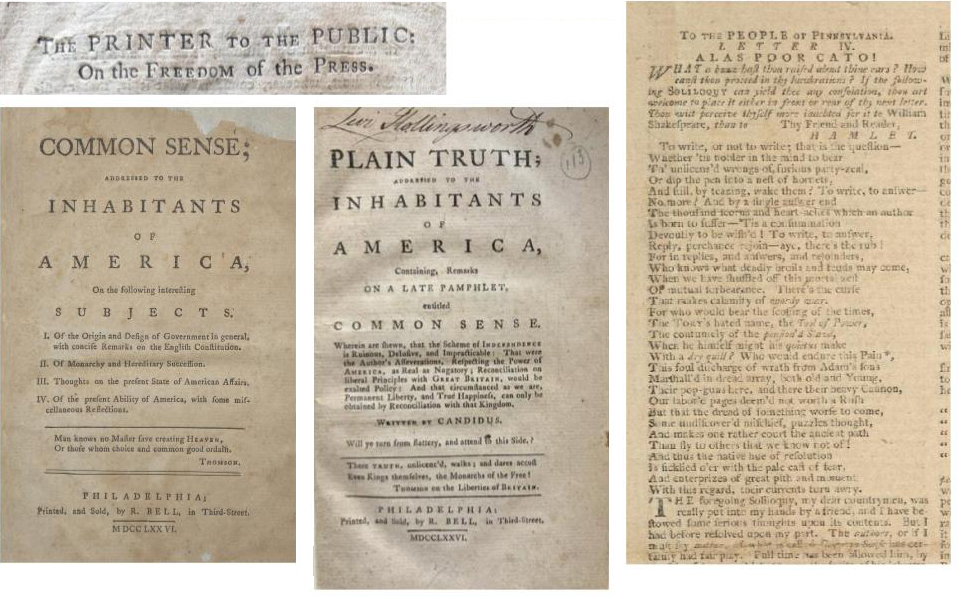
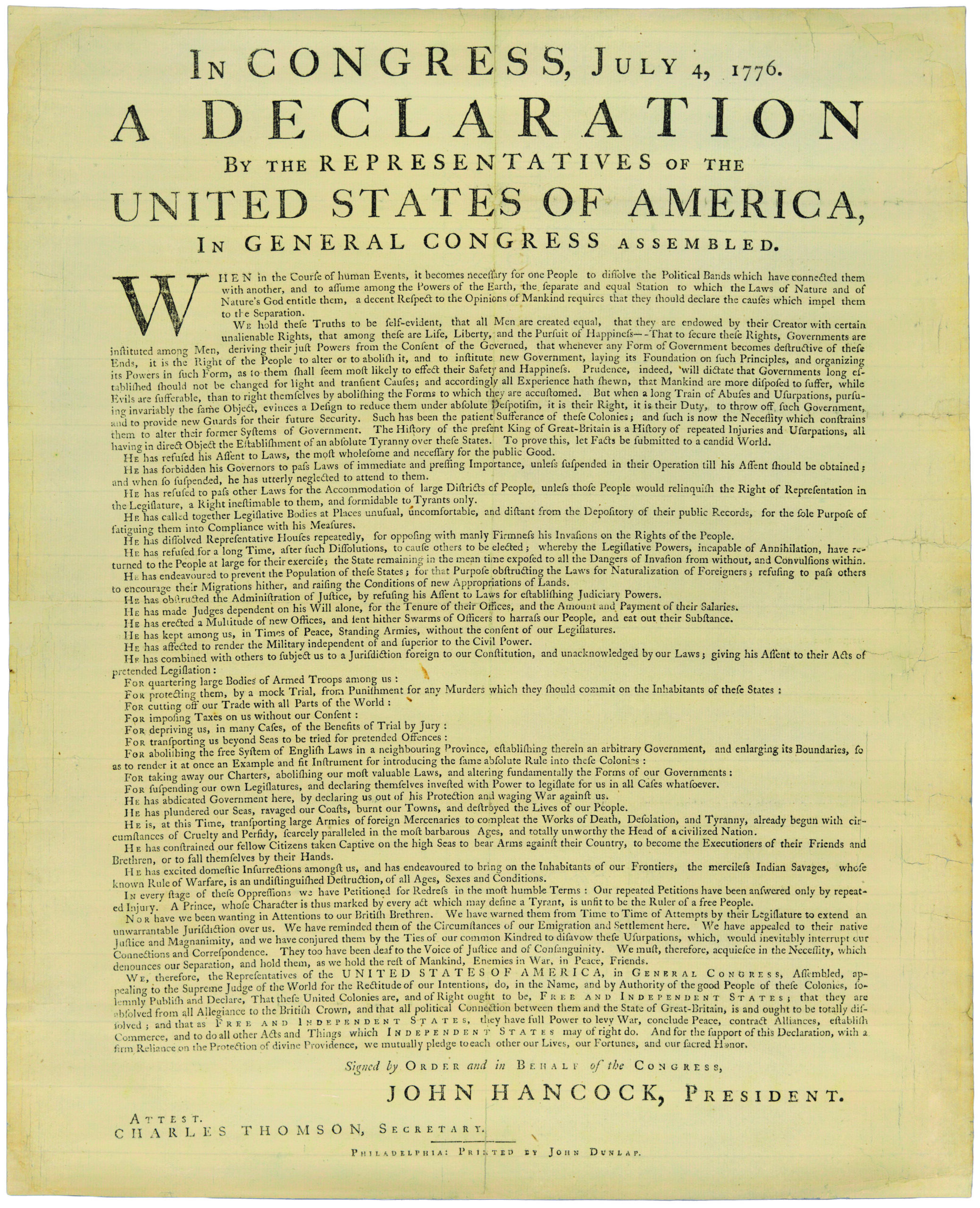
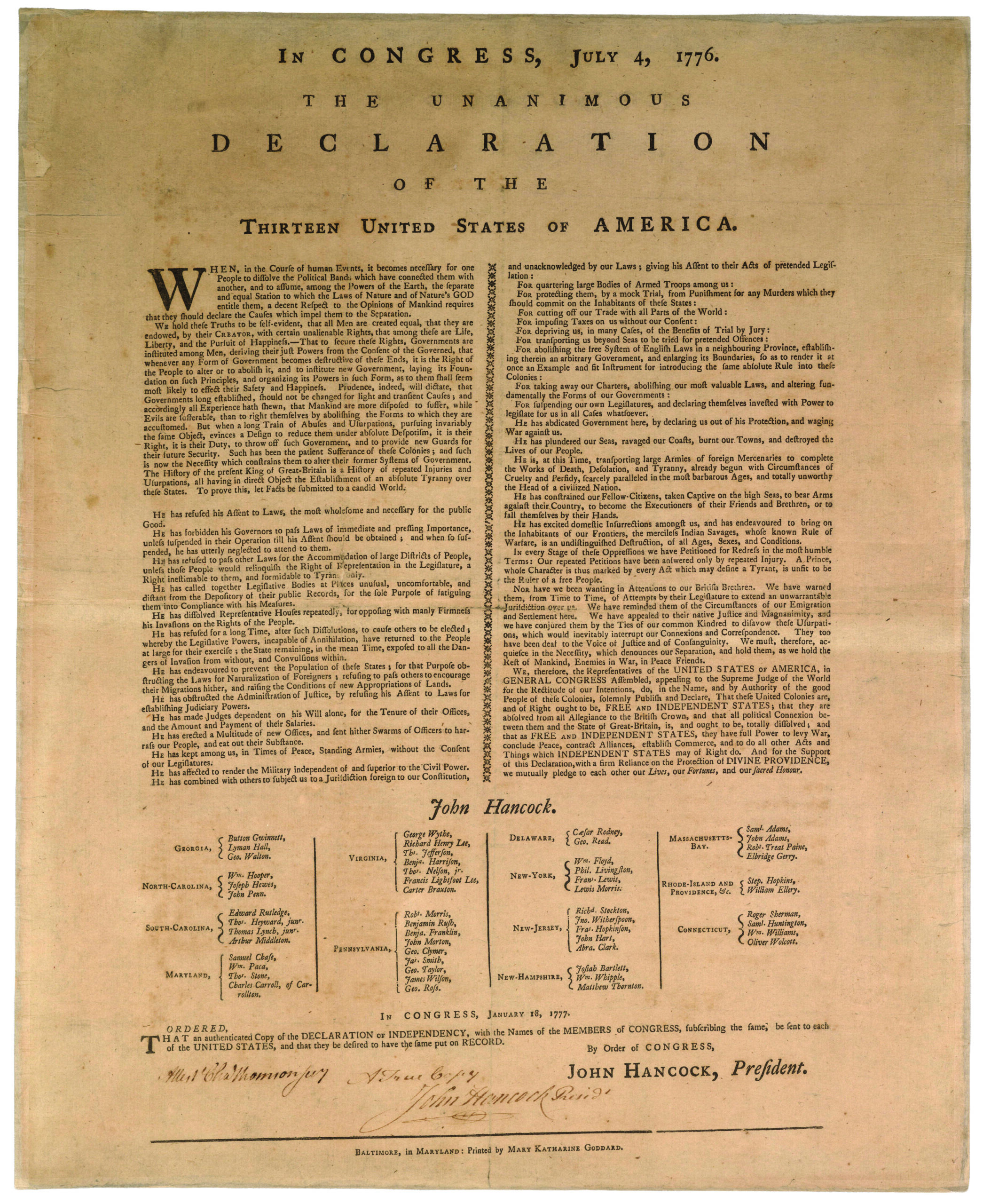
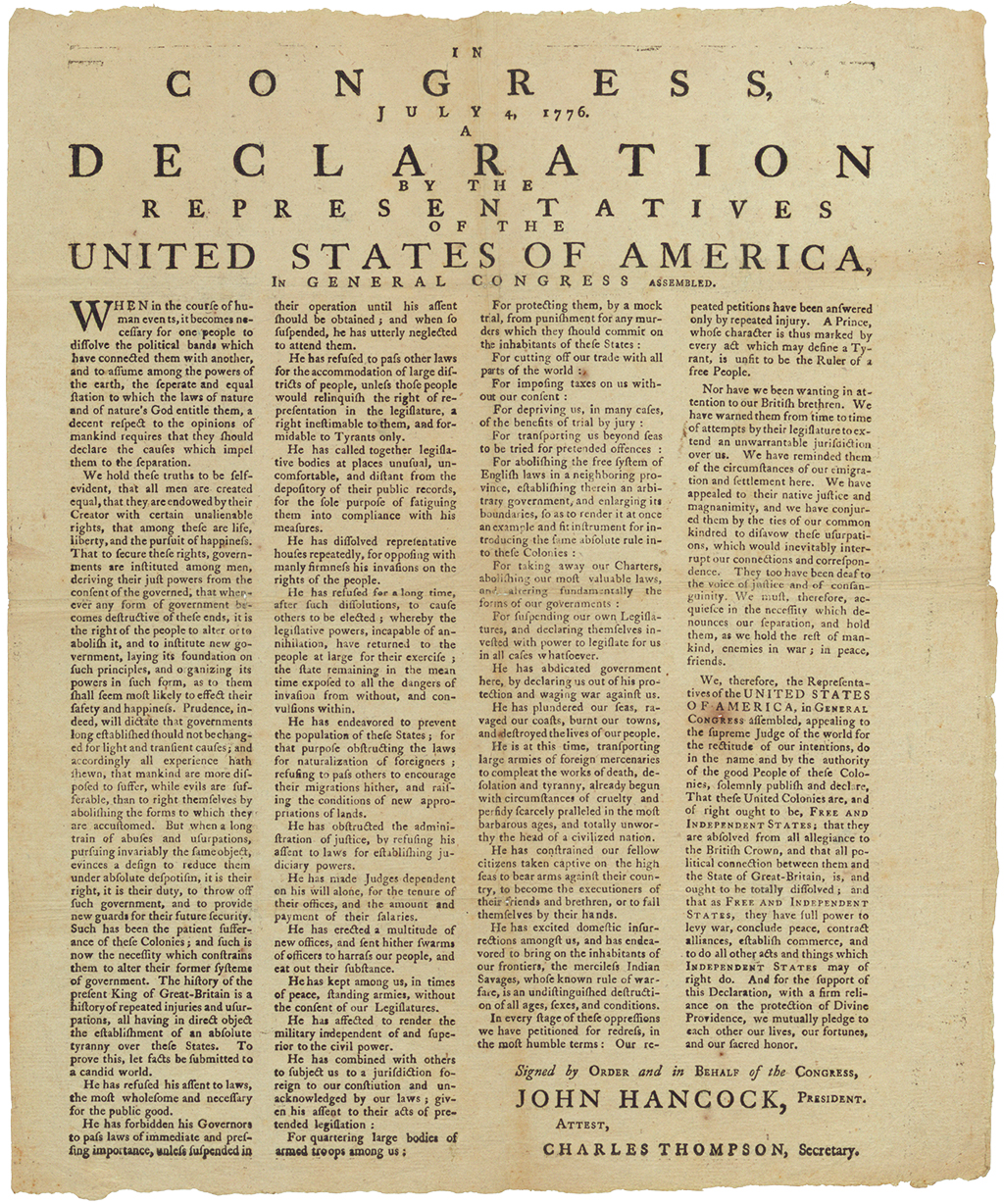
Thank you for the invitation to participate in this conference. This anniversary year of 2026 has given us soccer matches and some silliness. But it’s also been an opportunity to look, or look again, at some of the most significant documents in the Revolution and at some of the intellectual dogmas around them. We’ve all been taught about “the printing press and the American Revolution”—but as James Green showed us in his “The Radical Printers of Revolutionary Philadelphia” and in his exhibit at the Library Company, we still have much to learn when we analyze what printers were doing, where they were doing it, how, and why. [Read more]
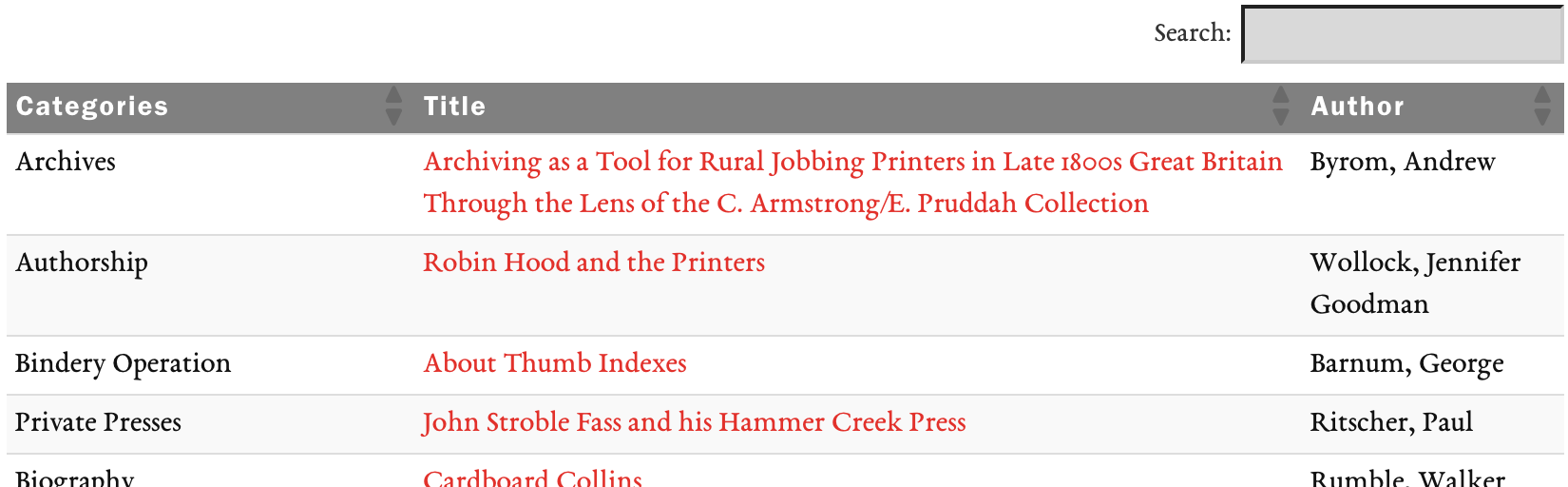
A new Featured Posts page, accessible via the Publications menu or the Sidebar, contains a data table listing selected, previously published articles on various printing topics. Most were written independently of APHA programs, publications, or activities.
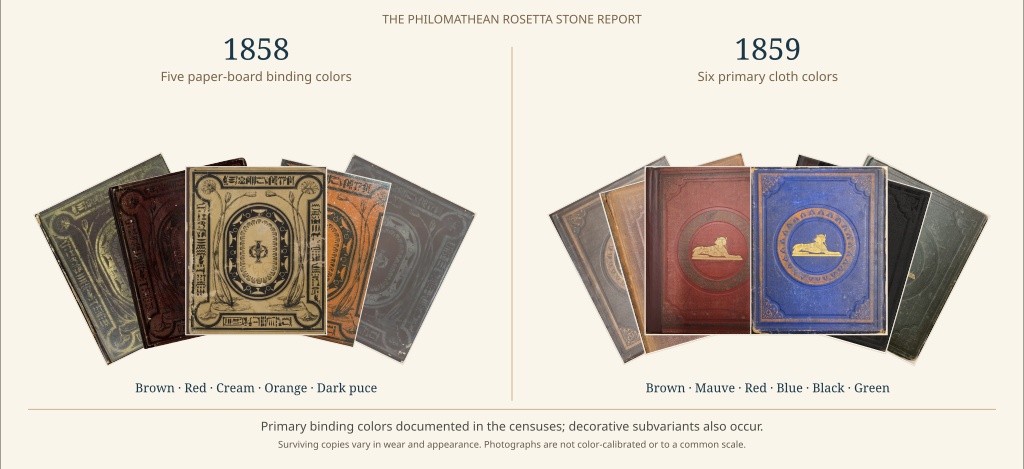
Five documented paper-board binding colors of the 1858 Philomathean Rosetta Stone Report, left, and six primary cloth colors of the 1859 edition, right. Decorative subvariants also occur. Surviving copies vary in wear and appearance; photographs are not color-calibrated or to a common scale. Image credits at bottom of the page.
In 1858, three young members of the University of Pennsylvania’s Philomathean Society published the first complete English translation of the Rosetta Stone. Their Report explained the ancient decree preserved in hieroglyphic, Demotic and Greek inscriptions, drawing on the work of earlier scholars. It also became an extraordinary achievement in American printing. [Read more]
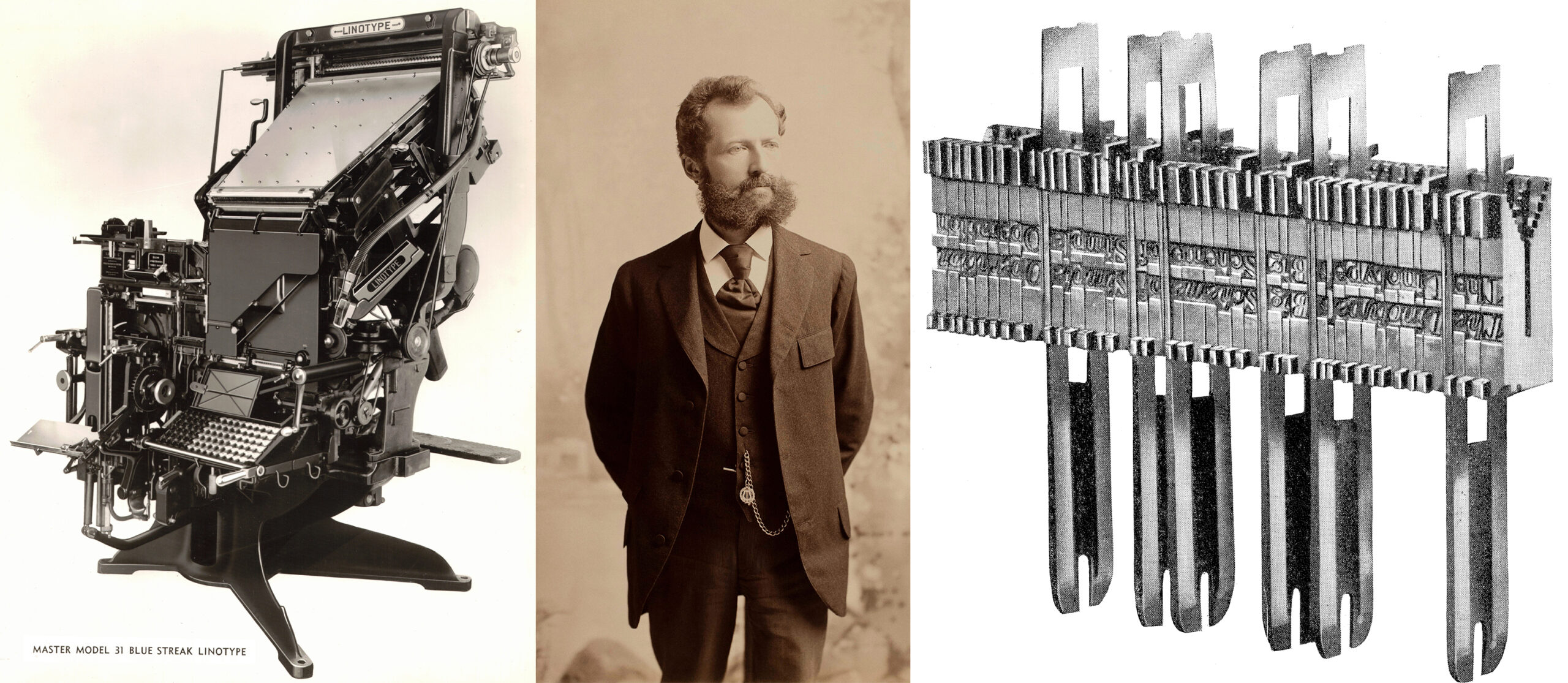
Model 31 Linotype, Ottmar Mergenthaler, Linotype matrices with spacebands.
Lightning Round Presentation. After the steel press, stereotyping, steam-powered rotary presses, paper from wood pulp, and the telegraph, the publishing industry awaited one last machine that would open the floodgates to mass media: the typesetting machine. [Read more]
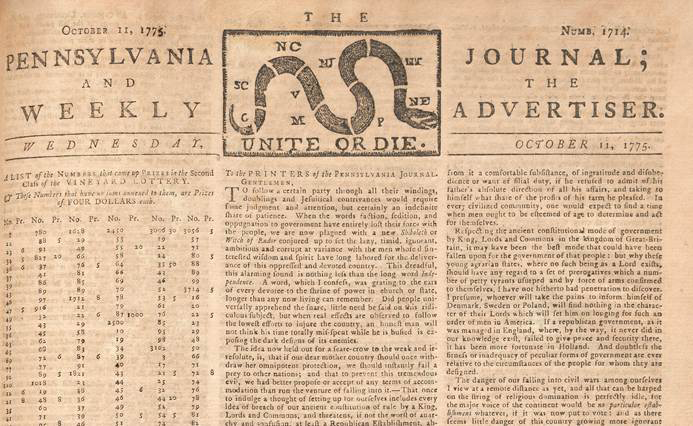
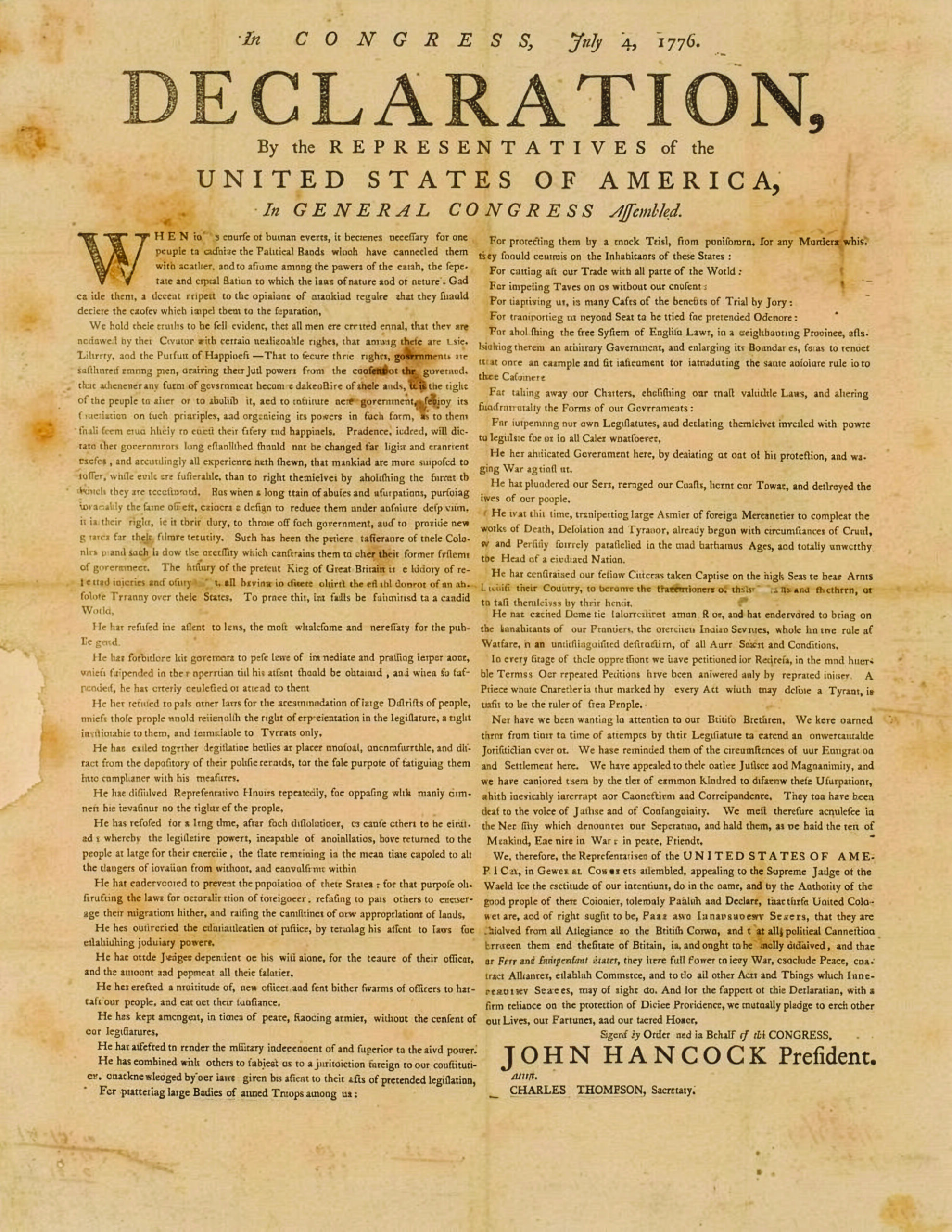
Keynote. I am deeply honored to have been invited to address the annual conference of an organization I’ve been associated with since I was a student in Columbia Library School’s rare books program fifty years ago. My sincere thanks to the conference organizers and our hosts at Penn, Lynne Farrington, John Pollack, and Jessica Peterson, as well as to Virginia Bartow and members of the APHA board for helping all of us celebrate the 250th anniversary of the signing—and the printing—of our nation’s founding document here in Philadelphia. [Read more]
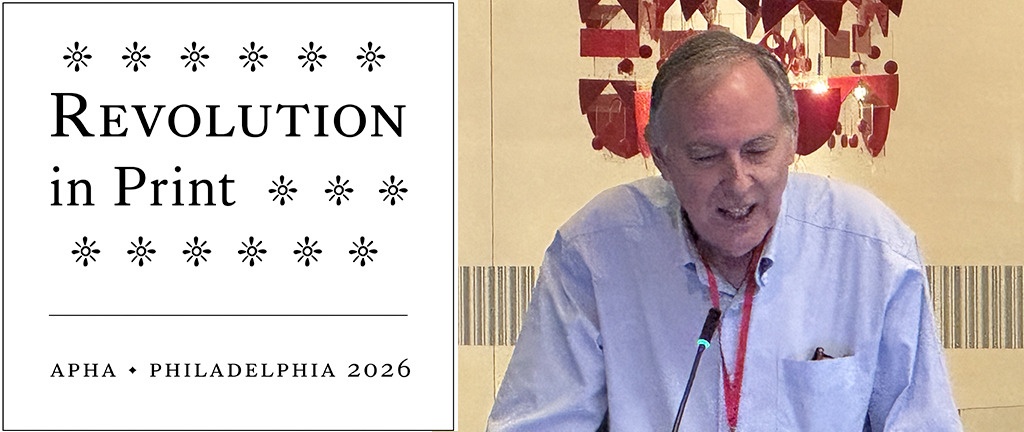
James N. Green, Librarian Emeritus, Library Company of Philadelphia, delivers his keynote speech “The Radical Printers of Revolutionary Philadelphia.”
The 2026 APHA Conference “Revolution in Print” concluded on October 3. Held at the Kislak Center for Special Collections, Rare Books and Manuscripts at the University of Pennsylvania, the presentations were informative and lively. The Speakers have been invited to post their presentations. Watch this space. [Read more]
 |  |  |  |
“Font” as a misnomer for “typeface” is a modern usage that arrived with the digital era. Perhaps the wider appreciation of a choice of typefaces, once people became tech-savvy, led to this more sophisticated-sounding term coming into use. In printing terms, a font means a whole set of one size of metal type, and is sometimes referred to as a fount. [Read more]